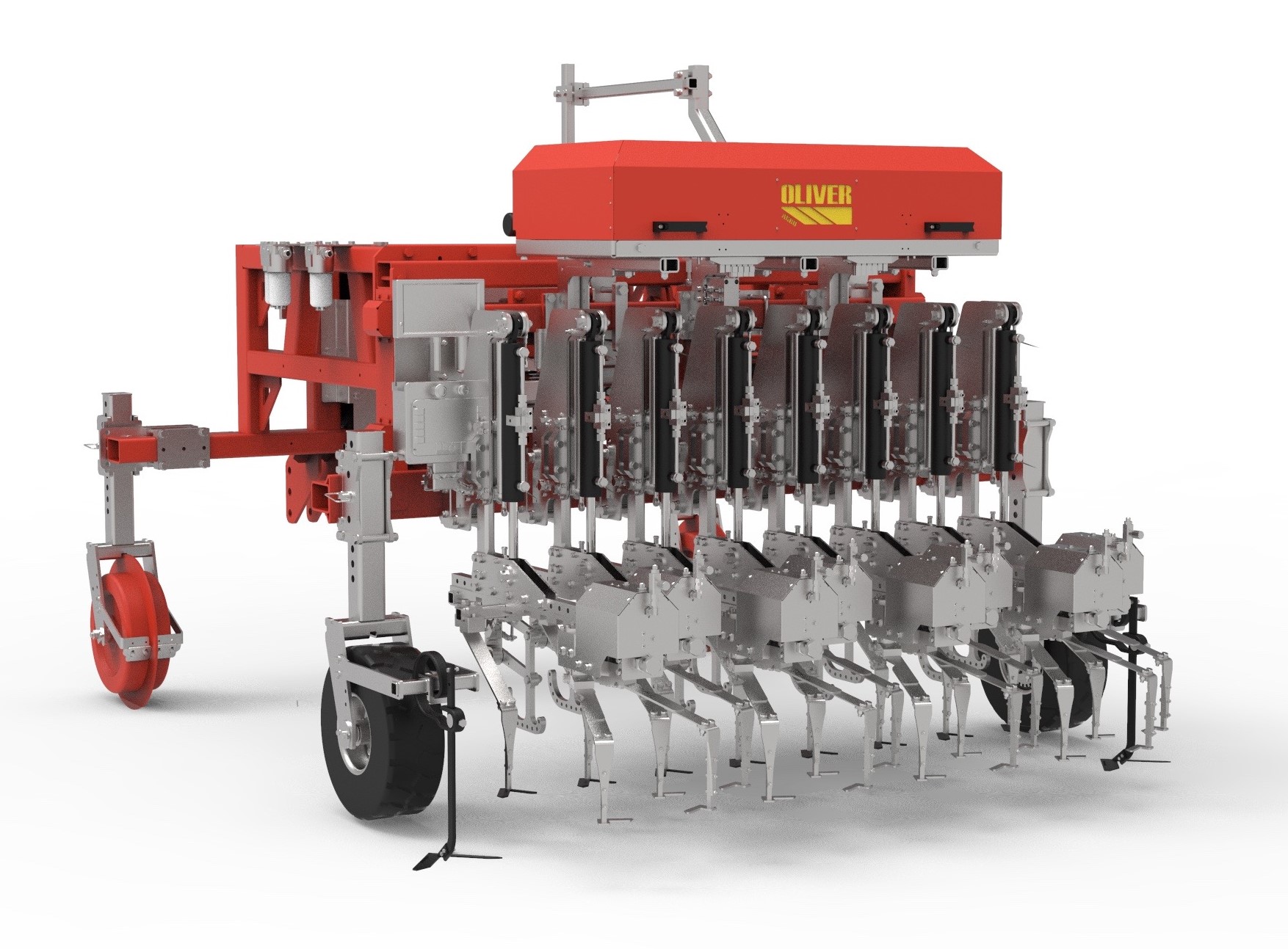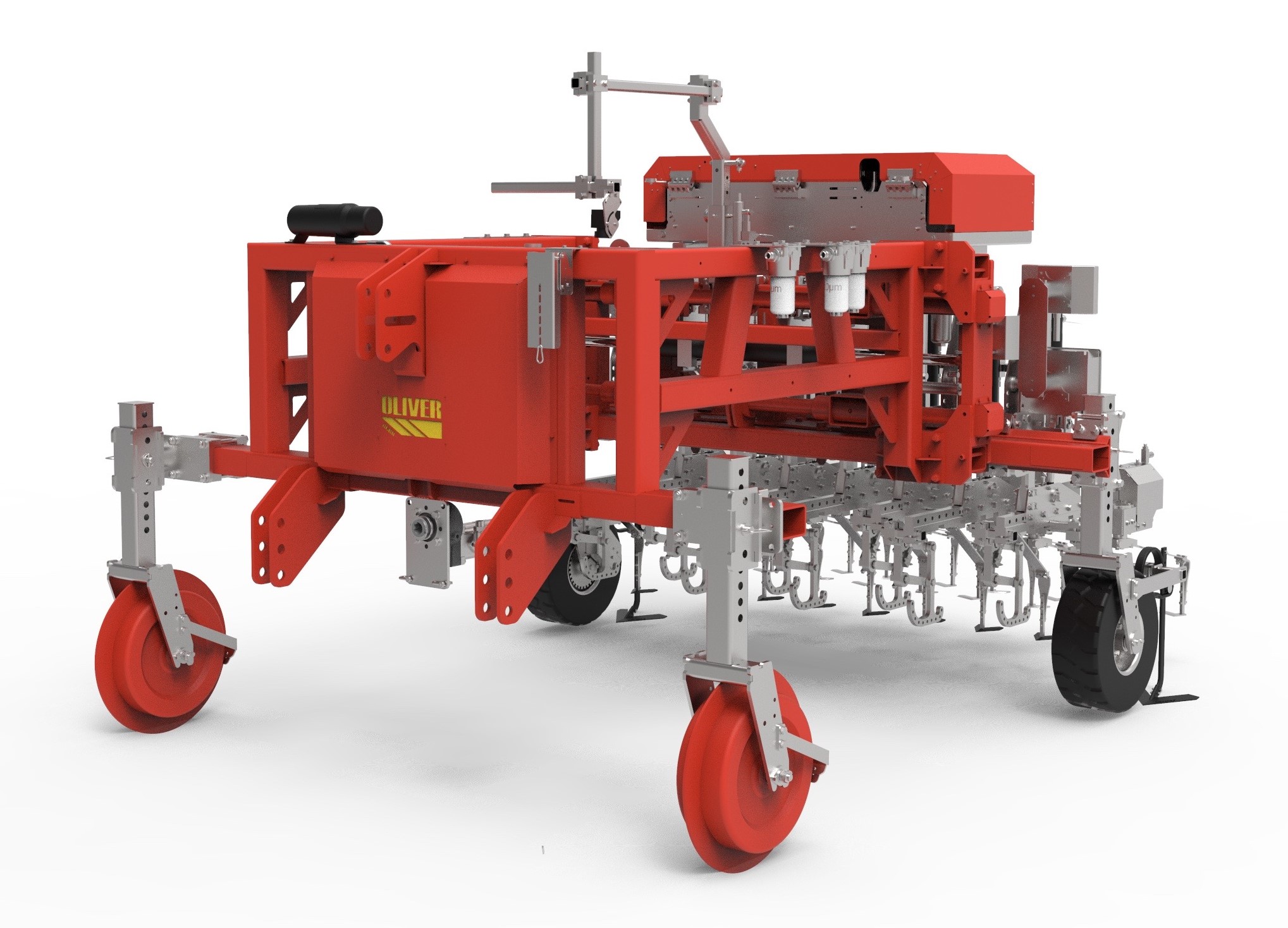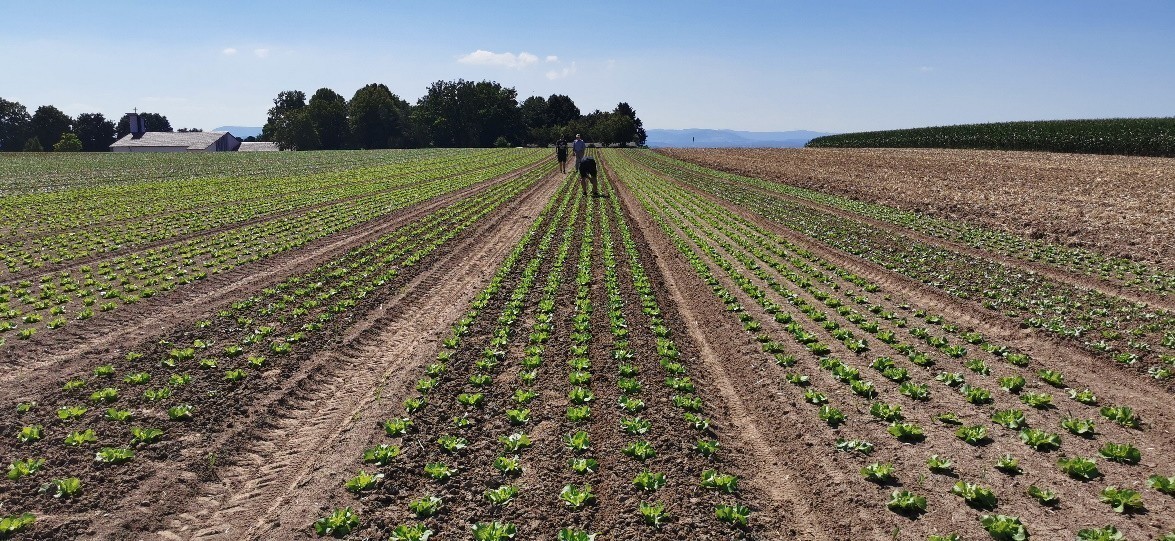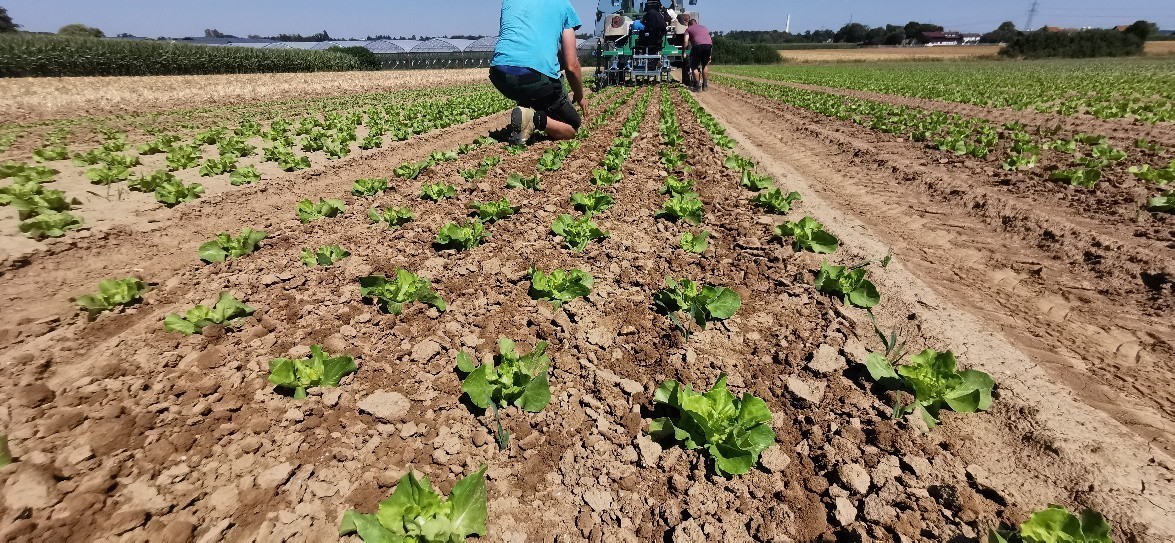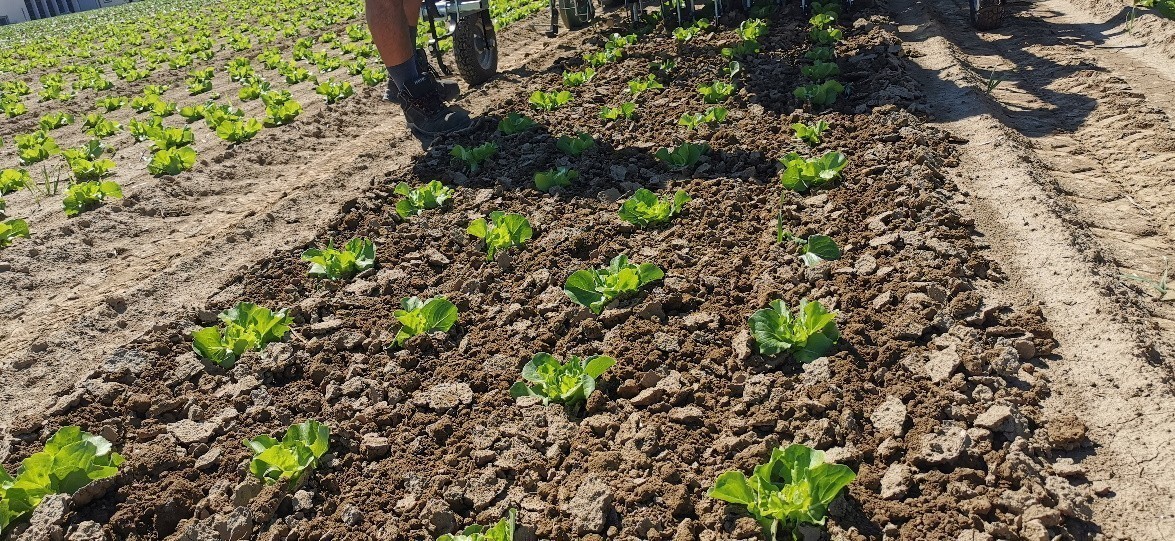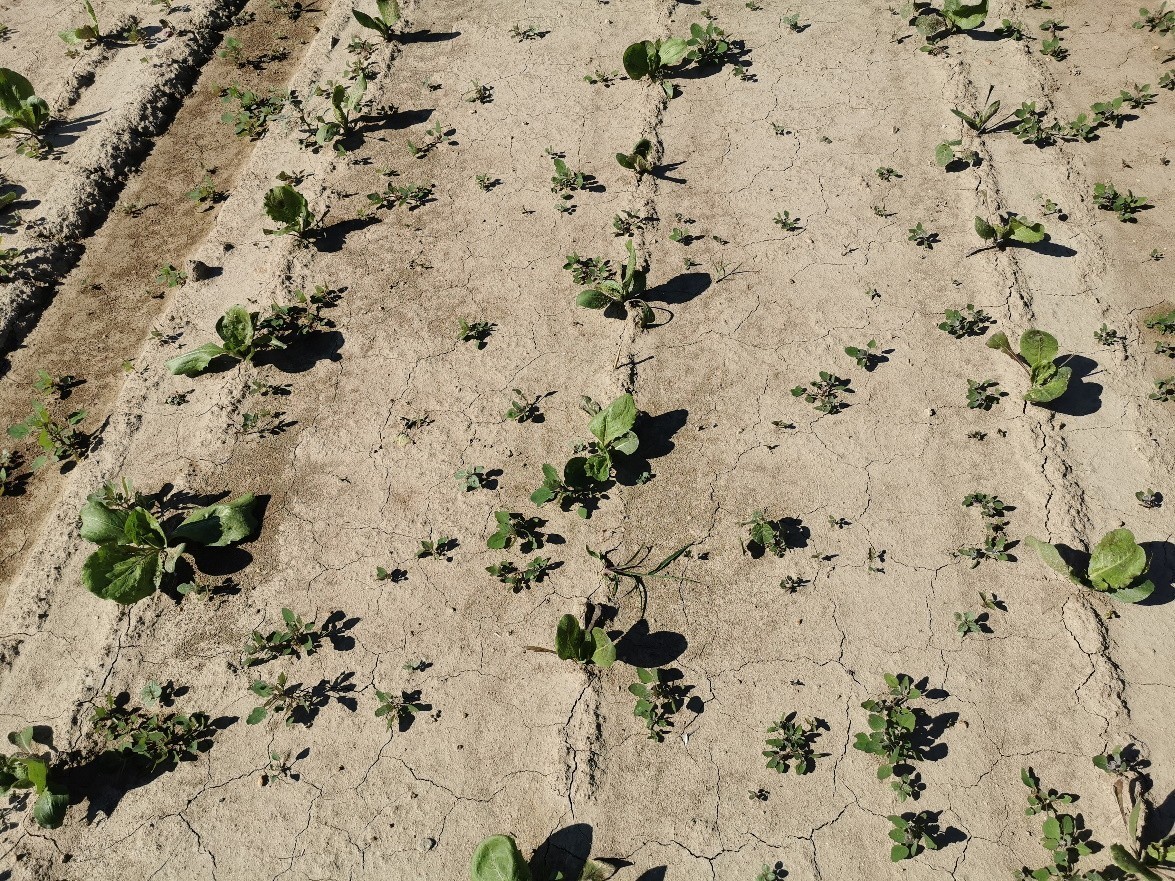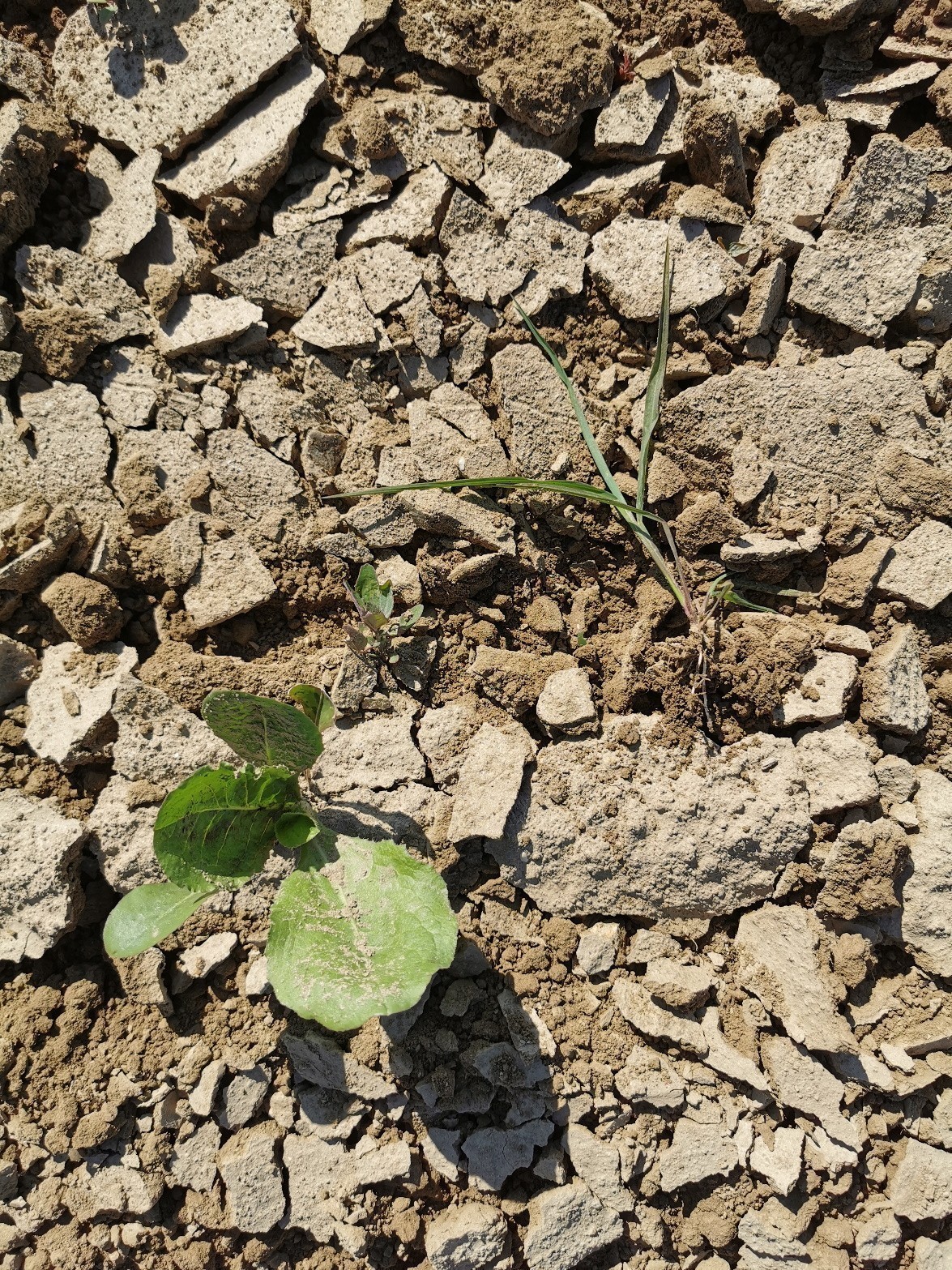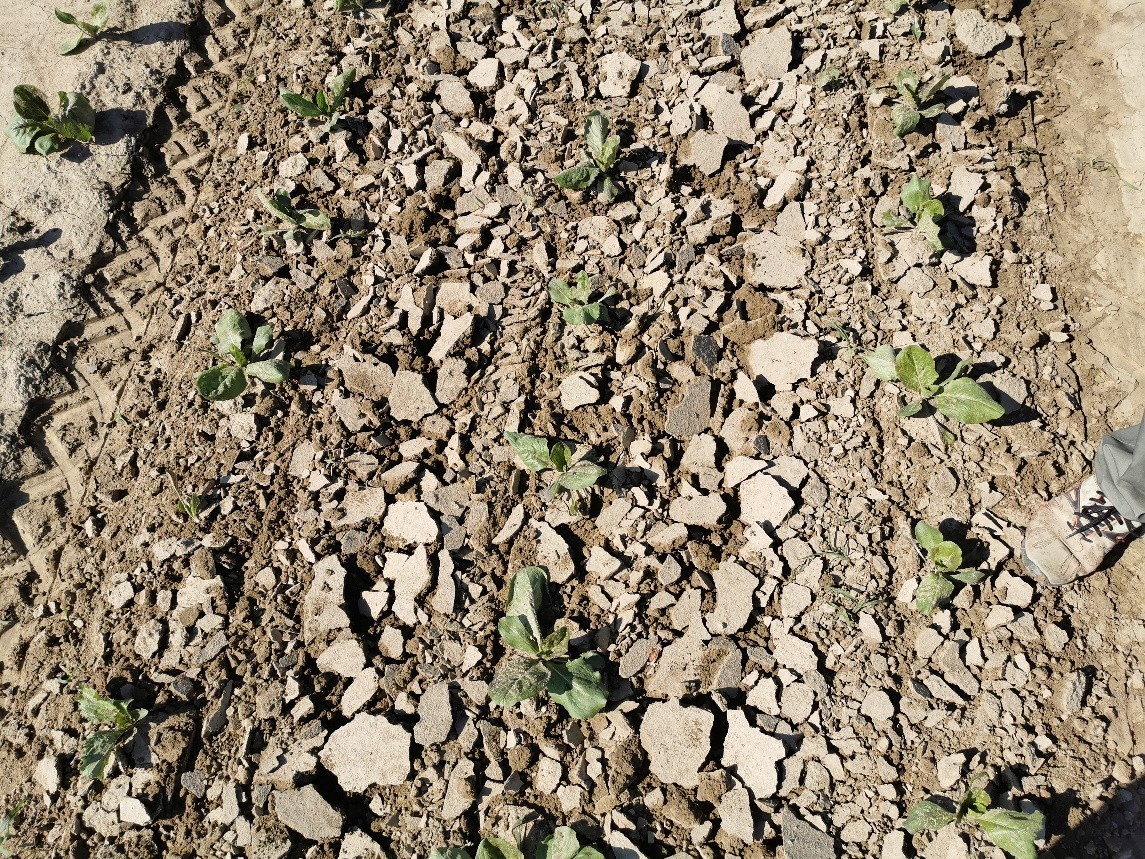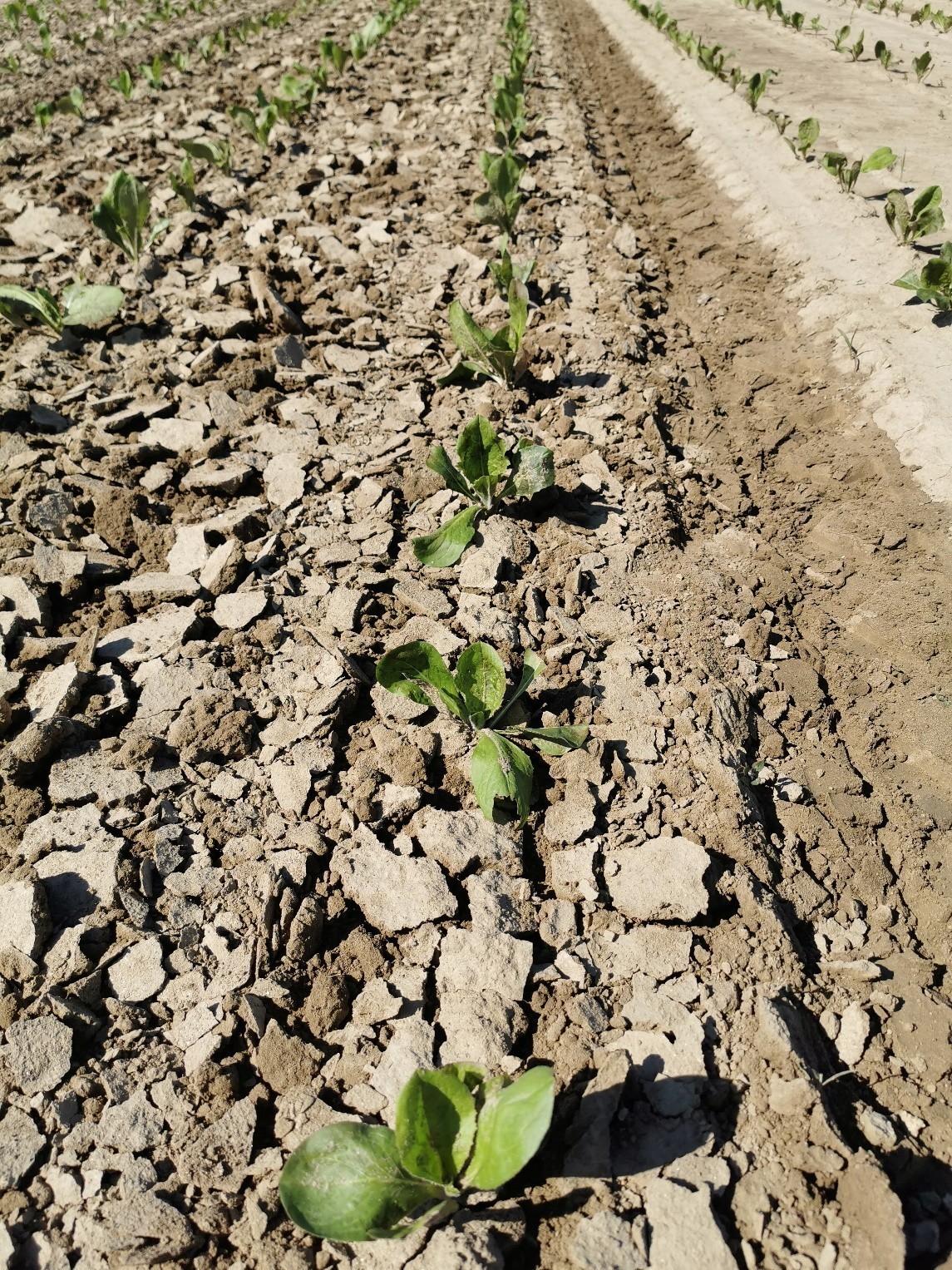


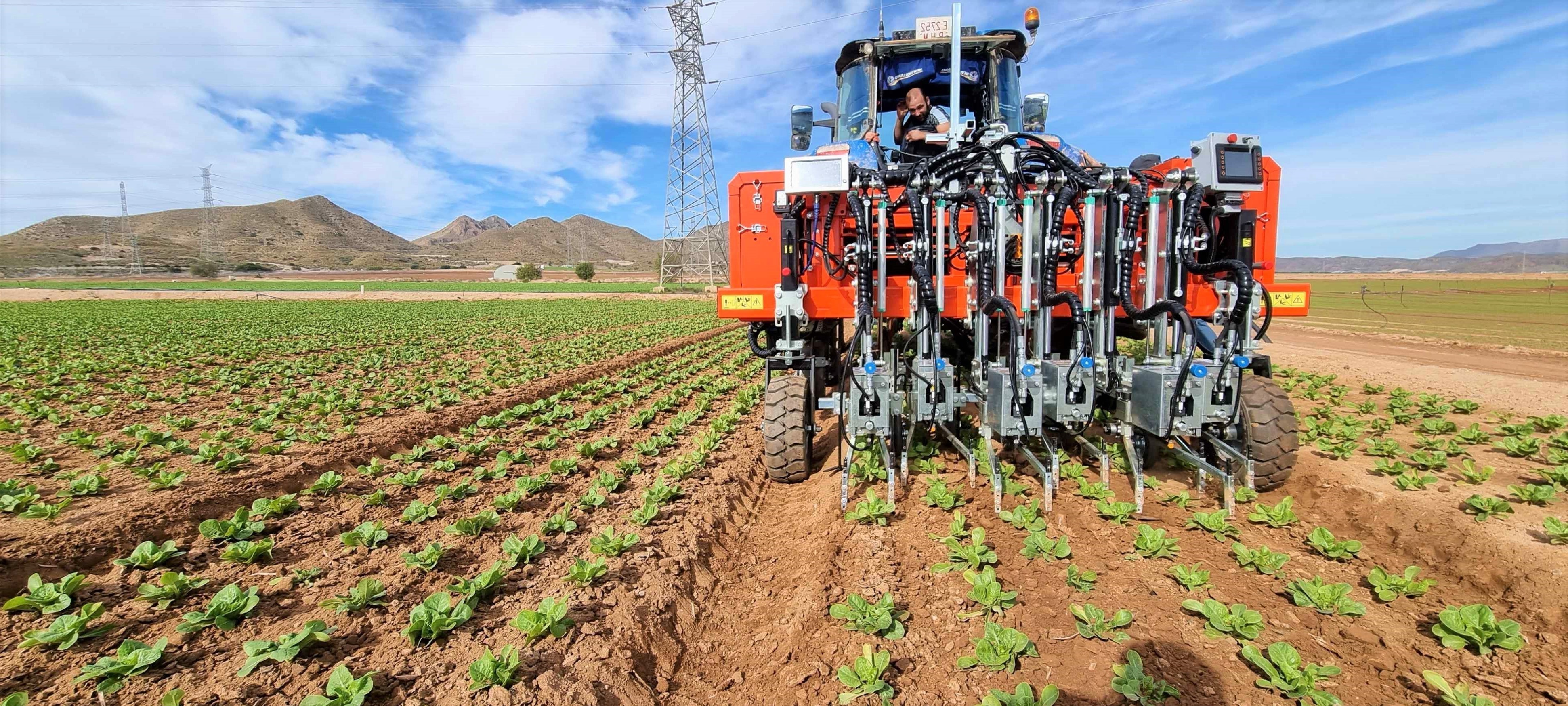

Optyma by Oliver Agro: inter-row and intra-row weeding machine with Tillett & Hague camera, automatic in-row weeder on a side-shift double-toolbar frame
In brief: the Optyma by Oliver Agro is an automatic inter-row and intra-row hoeing machine: it hoes the inter-row and the space between plants in the same pass. A Tillett & Hague colour camera recognises the crop plants in the row; the in-row knives, driven by a hydraulic cylinder, open around each plant and work at a depth of 2–3 cm. Row spacing from 18 cm, minimum in-row spacing 15 cm, typically 1.2–1.5 km/h and up to 5 km/h: speed depends on the crop, the in-row spacing and the soil.
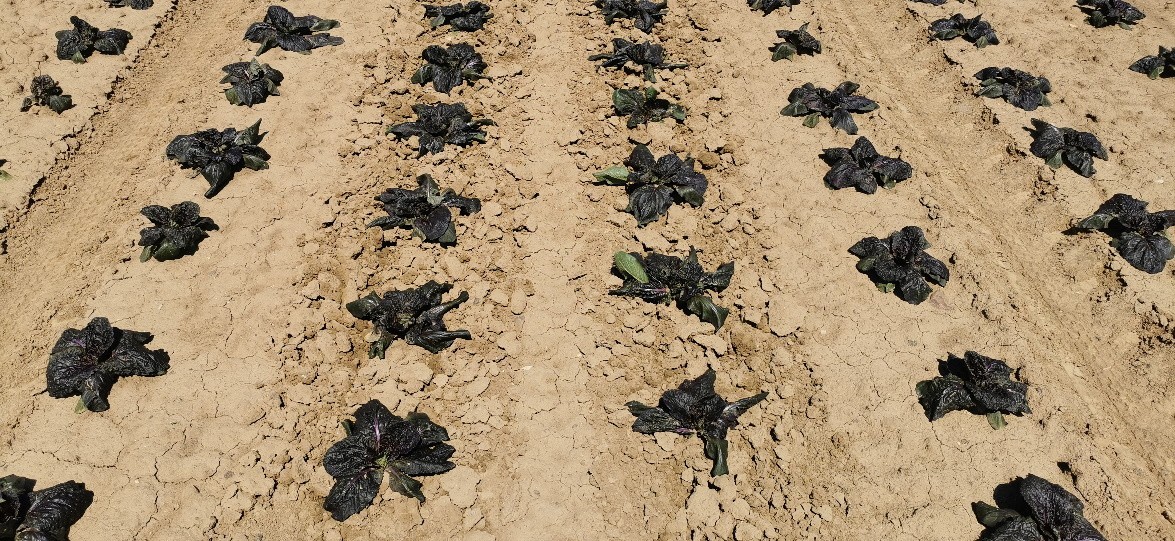
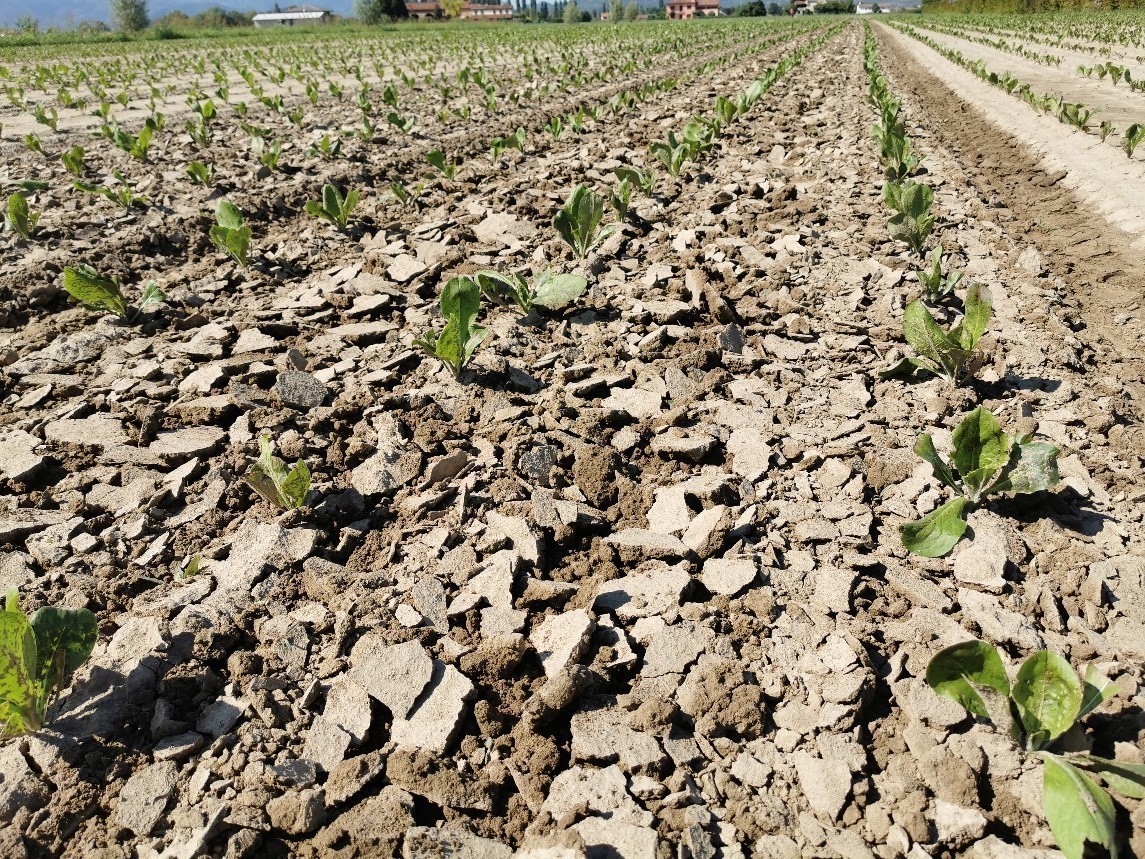
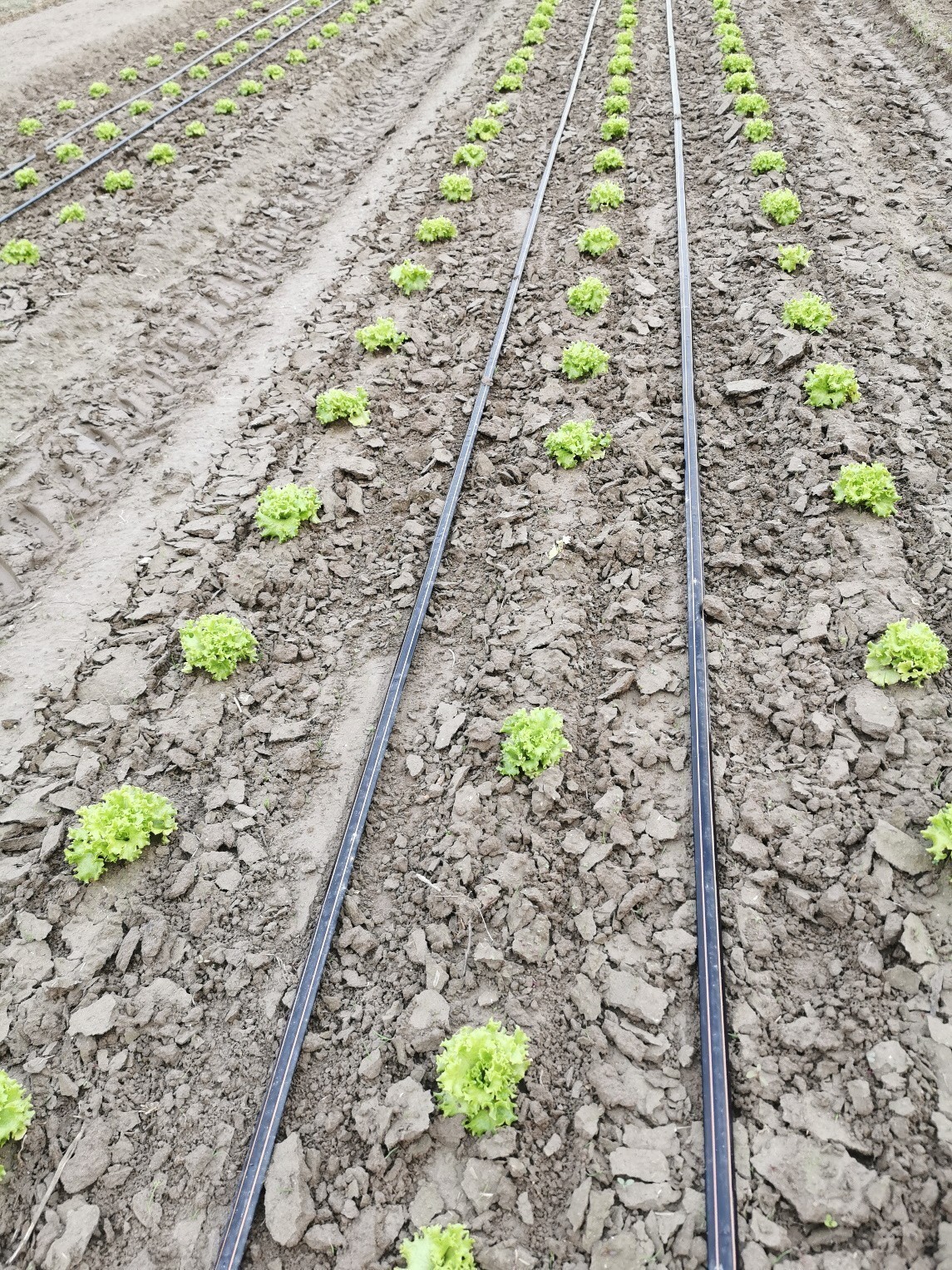
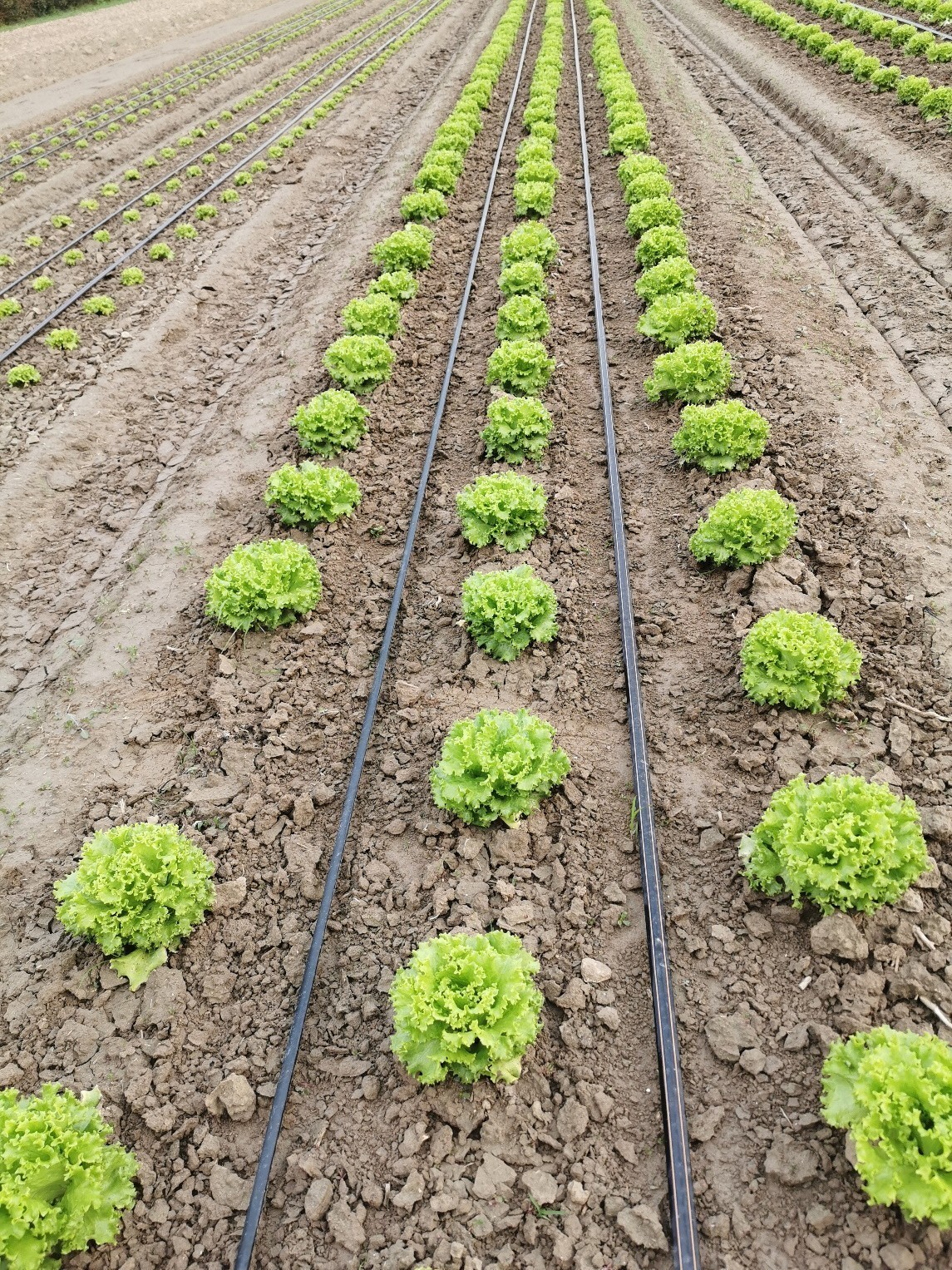
Crops. Lettuce, radicchio, broccoli, cauliflower, chard, transplanted onion, sugar beet and other head and leaf vegetables, transplanted or drilled, on beds or on the flat, with plants evenly spaced in the row. The machine can go into the field just 10 days after transplanting and works at the early growth stage, before weeds develop.
Requirements: soil prepared with a bed former or stone burier and smooth roller, to firm and level the seedbed, also at transplanting or drilling. 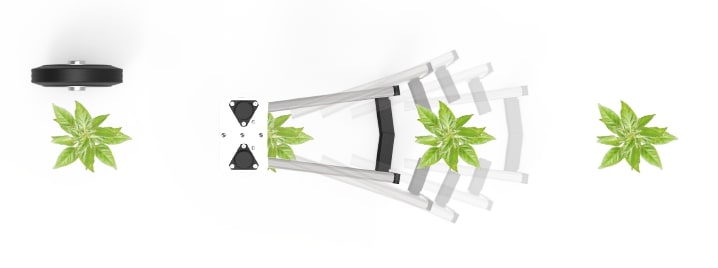
How the Optyma is built
| Subsystem | Components | Function |
|---|---|---|
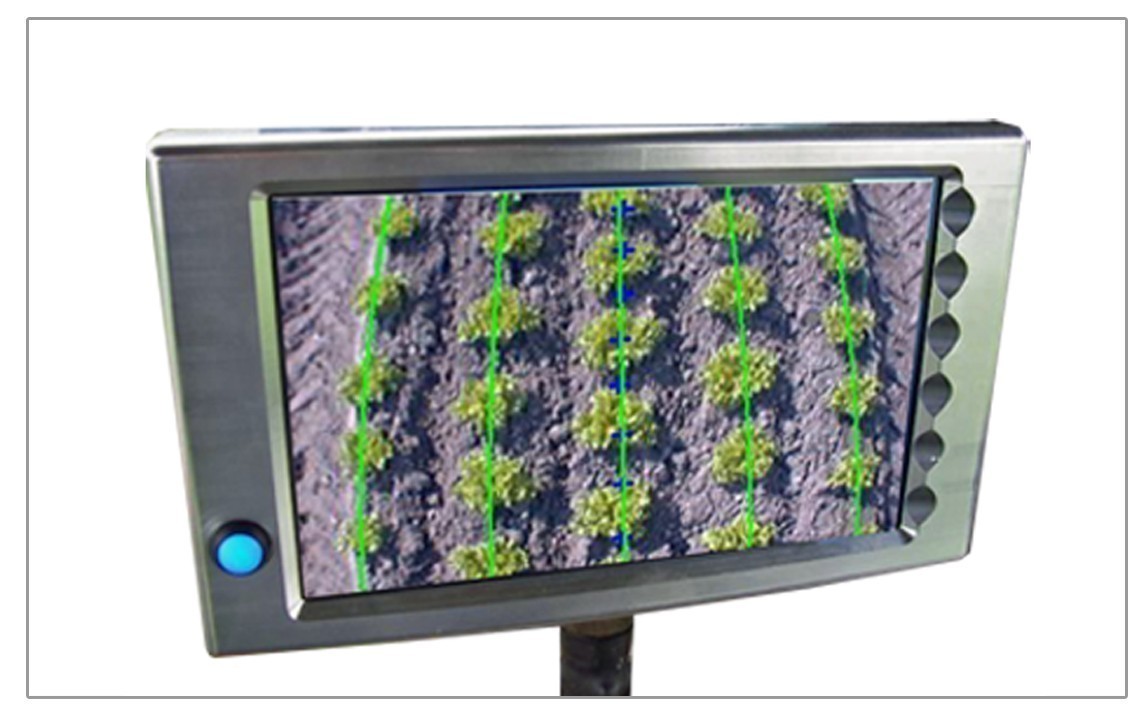
| Vision | Tillett & Hague digital colour camera, in-cab console with live image | Recognises the plants in the row, tracks their position and synchronises the knives with each plant |
| Control unit | PLC control unit for mobile machinery, push-button display and 7” touch screen | Depth control, unit alignment, machine parameters |
| Unit | Parallelogram, knife carrier with knives, hydraulic cylinder with solenoid valve, side hoes and flex spring | Works the row: knives between plants, hoes in the inter-row |
| Depth control | 2.0: self-levelling with feeler · ECO: gauge wheels | Constant depth of 2–3 cm |
| Frame | Side-shift double toolbar with 900 mm extension, side-shifting section behind the extension | Lateral alignment of the units to the row without overloading the side-shift |
| Hydraulics | Load Sensing (variable displacement pump) or independent system; proportional, PLC-controlled | Separate circuits for frame side-shift and knives |
Tillett & Hague vision system
- Colour camera. A digital colour camera views a wide section of the row to gather as much guidance data as possible.
- Green/soil separation. The ratio of green to red in the image separates vegetation from soil, stones and crop residues.
- Recognition based on the planting pattern. Crop plants are recognised by comparing the image with the known geometry of the transplanting or drilling (row spacing and plant spacing). Anything that does not match the pattern is treated as a weed.
- Tracking. Each plant is followed through successive images as the machine moves forward, so the knives open exactly as the plant passes.
- Console with live image. In the cab, the operator sees the row with overlays showing recognition quality and checks that the set pattern matches the crop.
- One file per crop. Machine and crop parameters are saved in configuration files: to change crop, simply select the matching file.
The system works best on crops with plants evenly spaced in the row and with the canopy of each plant separate from the next.
Working speed
Speed depends on the crop, the distance between plants in the row and the soil. Each plant requires one open/close cycle of the knives: the current hydraulic actuator works at about 2.5 cycles per second; from 2027 the new actuator reaches 5 cycles per second.
| In-row spacing | Current actuator (2.5 cycles/s) | New actuator from 2027 (5 cycles/s) |
|---|---|---|
| 15 cm | 1.4 km/h | 2.7 km/h |
| 20 cm | 1.8 km/h | 3.6 km/h |
| 25 cm | 2.3 km/h | 4.5 km/h |
| 30 cm | 2.7 km/h | 5 km/h |
| 40 cm | 3.6 km/h | 5 km/h |
Theoretical maximum speeds; the machine maximum is 5 km/h. The faster you go, the more soil is thrown onto the plant: on leaf crops, soil in the head causes rot and disease, and on crusted soil the clods must be broken up. That is why speed is checked in the field with the customer; typical working speed is 1.2–1.5 km/h.
Labour savings and return on investment
Hand weeding in the row takes 40 to 230 hours per hectare depending on the crop. The Optyma does the same job in a few hours and removes 78 to 97% of the weeds in the row.
| Crop | Example configuration | Hand-weeding h/ha | h/ha with Optyma at 1.5 km/h | Hours saved per hectare | Saving per hectare at €14/h |
|---|---|---|---|---|---|
| Lettuce | 6 rows at 30 cm | 200 | approx. 4 | approx. 196 | approx. €2,700 |
| Pumpkin | 3 rows at 140 cm | 40 | approx. 1.7 | approx. 38 | approx. €530 |
How to calculate the return: hours saved per hectare × hourly labour cost × hectares hoed per year × passes per crop cycle. Compared with the machine price, the result gives the payback period in years. Machine hours calculated on working width × 1.5 km/h, with 4 minutes per hour for headland turns; farm labour cost in Italy about €14/h. Hand-weeding hours and percentage of weeds removed: 2026 field data for automatic in-row hoeing.
Precision between plants
- Minimum in-row spacing 15 cm: the knives work between two plants even at this distance.
- Knives synchronised with each plant: the camera follows the plant as it approaches and the knife carrier opens the knives only as it passes, then closes them in the stretch of row between one plant and the next.
- Constant depth of 2–3 cm: the feeler’s angle sensor and the linear potentiometer on the 2.0 unit hold depth to within ±3 mm of the soil profile. The feeler touches the ground, so depth stays correct even when the inter-row is covered with weeds.
- Knives below the crust: the knives work just below the soil crust, perpendicular to the direction of travel, breaking the crust and aerating the root zone.
Unit: three versions
| Optyma 2.0 | Optyma ECO | Optyma double knife carrier | |
|---|---|---|---|
| Photo |  |
 |
 |
| Depth control | Self-levelling: front feeler with angle sensor + hydraulic upright with linear potentiometer, ±150 mm travel. Accurate depth even with the inter-row covered with weeds | Gauge wheels on the unit | Self-levelling with feeler, as on the 2.0 |
| In-row knives | Knives on one knife carrier, opening controlled by the camera | Knives on one knife carrier, opening controlled by the camera | Two knife carriers with knives on the same unit, opening controlled by the camera |
| When to choose it | Uneven soil, irregular beds, maximum depth consistency, when the outer transplanted row is at the edge of the bed or on very sandy soil | Level soil, evenly spaced rows, room between the bed edge and the last transplanted row for the gauge wheel | To be agreed with our technical department according to crop and planting pattern |
| Inter-row | Side hoes and flex spring | Side hoes and flex spring | Side hoes and flex spring |
The knives enter the soil at 2–3 cm, open when they reach the plant and close again immediately after, working the stretch of row between one plant and the next. The knife carrier is driven by a hydraulic cylinder controlled by a solenoid valve: fast opening and closing even on compacted soil.
Frame and alignment
Side-shift frame with double toolbar and 900 mm extension: the fixed section is hitched to the tractor’s 3-point linkage, the side-shifting section sits behind the extension and carries the parallelograms. This way the weight of the units does not overload the side-shift of the frame. Side-shift runs on chrome-plated bars with hydraulic cylinders. The frame can also be front-mounted on the tractor.
- TT12 — for machines up to about 950 kg: ±150 mm side-shift on 2 chrome-plated Ø50 mm bars with bronze bushes; 2,380 mm toolbar, double toolbar with 900 mm extension; rear side-shifting section carrying the parallelograms; removable joystick, also usable from the cab.
- TT25 — for heavy machines and camera guidance: 500 mm side-shift (250 right + 250 left) on Ø60 mm chrome-plated bars, with 2 separate rams; fixed front double toolbar of 900 mm, giving the camera the right view to recognise plants in advance; rear side-shifting section; 4 support-wheel version: the weight is carried by the ground, the wheels set the machine height, the top link is not loaded and the tractor only pulls.
Software and control
- In-cab Tillett & Hague console with live image of the row and indication of recognition quality.
- One configuration file per crop: to change crop, select the file.
- PLC control unit with 7” touch display: depth of each unit adjustable in 3 mm steps, automatic depth holding, horizontal alignment of all units, adjustable dead band before height correction, zero points factory-set.
- Knife opening and closing speed and force adjustable to soil conditions with the flow regulator on each unit.
Technical data
| SOIL TYPE | Sandy, medium loam; also crusted soil if the clods are crumbled; level soil |
| ROW SPACING | From 18 cm |
| IN-ROW SPACING | Minimum 15 cm |
| PLANT RECOGNITION | Tillett & Hague digital colour camera, recognition based on the planting pattern |
| UNIT | 2.0: self-levelling with feeler · ECO: gauge wheels · double knife carrier |
| WORKING DEPTH | 2–3 cm, variations of ±3 mm on the soil profile (2.0) |
| WORKING SPEED | Typically 1.2 – 1.5 km/h, up to 5 km/h depending on crop, in-row spacing and soil. Knives with hydraulic actuator: from 2027 new actuator with 5 open/close cycles per second |
| FRAME | Side-shift TT12 or TT25, double toolbar with 900 mm extension, rear side-shifting section; rear or front mounting |
| FIELD ENTRY | From 10 days after transplanting |
| REQUIRED SOIL PREPARATION | Bed former or stone burier and smooth roller to firm and level |
| HYDRAULIC SYSTEM | Load Sensing (tractor with variable displacement pump) or independent hydraulic system; separate circuits for side-shift and knives |
| SYSTEM TYPE | Automatic |
Frequently asked questions
How does the Tillett camera recognise plants?
It separates green from soil with a colour camera and recognises the crop plants by comparing them with the set planting pattern: anything that does not match the pattern is treated as a weed.
What is the difference between Optyma and Optyma A.I.?
The Optyma recognises plants with the Tillett & Hague camera, based on the planting pattern; the Optyma A.I. uses an artificial intelligence vision system that recognises each plant by its root point.
What does the speed depend on?
On the crop, the distance between plants in the row and the soil. With the new actuator at 5 cycles per second you reach 2.7 km/h at 15 cm in-row spacing and 5 km/h from 30 cm upwards; typical working speed is 1.2–1.5 km/h so as not to throw soil onto the plant.
How soon can I go into the field?
Just 10 days after transplanting, at the early growth stage.
Does it work if the inter-row is full of weeds?
Yes. On the 2.0 unit, depth is read by a feeler that touches the ground, so the knife stays at the right depth even when the inter-row is covered with weeds. The camera also recognises plants with a moderate level of weed infestation.
Does it work on crusted soil?
Yes, as long as the clods broken by the knives are crumbled. If clods end up on the plant, speed is reduced.
Which unit should I choose?
The 2.0 with self-levelling for uneven or very sandy soils and for outer rows at the edge of the bed; the ECO with gauge wheels for level soils and evenly spaced rows.
Does the frame overload the tractor or the side-shift?
No: the side-shifting section sits behind the double-toolbar extension, so the units do not weigh on the side-shift; on the 4-wheel TT25 the weight is carried by the ground and the top link is not loaded.
Can the frame be mounted on the front of the tractor?
Yes, the frame can also be front-mounted.
What hydraulic system is needed?
Tractor Load Sensing or an independent hydraulic system.
Why choose an Oliver Agro weeding machine?
Oliver Agro designs and builds precision hoeing machines in Italy for vegetables and broadacre crops, with units and frames configured to the customer’s planting pattern.