

chickpea
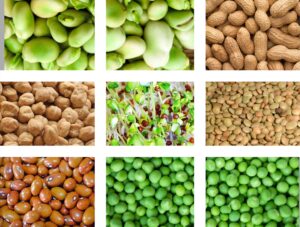
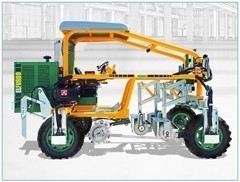
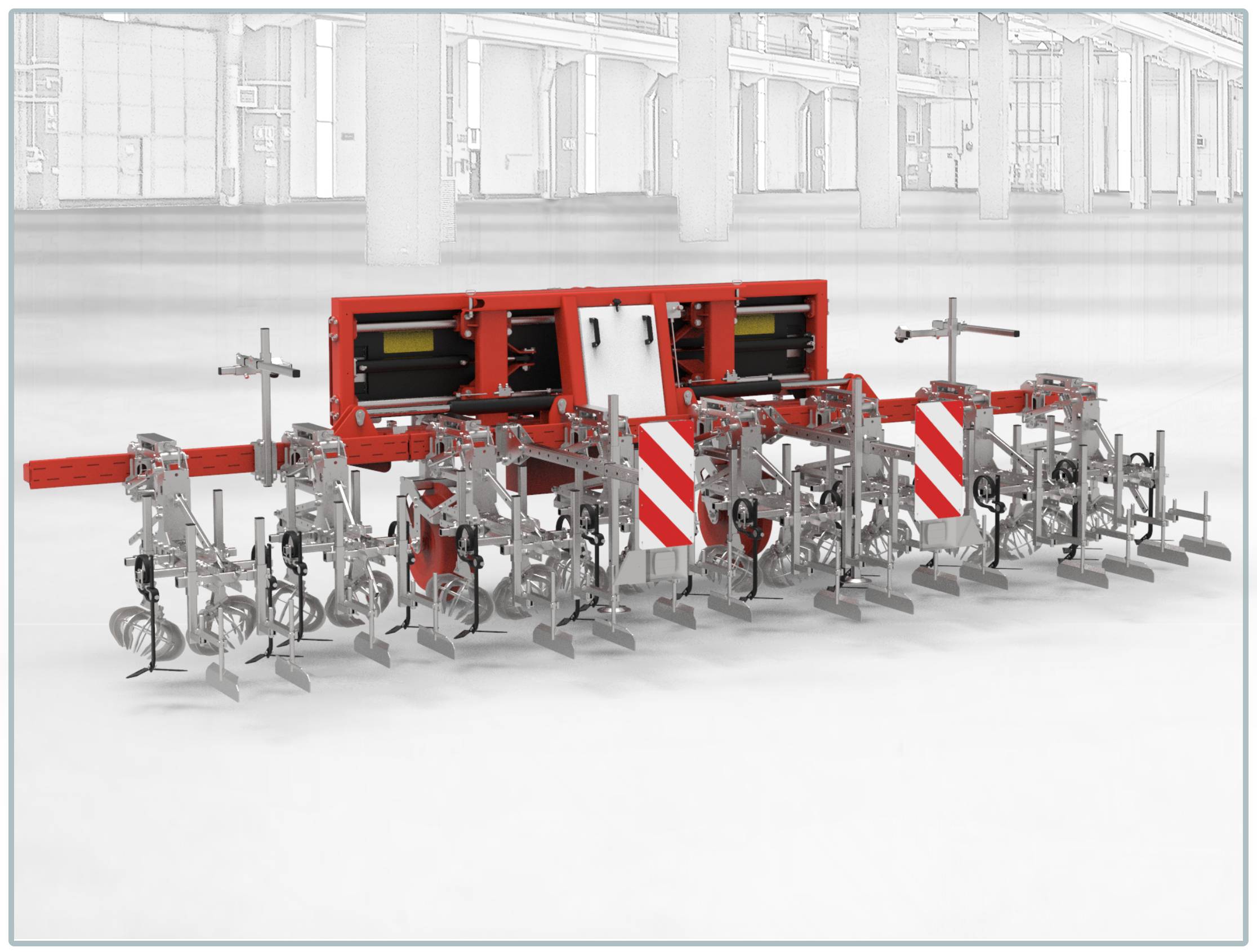
Below you will find a selection of agricultural machines dedicated to chickpea cultivation. In particular, we will introduce our inter-row weeders for chickpea, suitable for both organic and conventional farming or zero residue cultivation.
Our range of chickpea-related products includes:
– Equipment for weed management or non-chemical control
– Inter-row weeding machines
– Hose laying and collecting machines for irrigation and fertigation
– Soil fumigators or sterilizers of liquid or granular fumigants
– Series of accessories for soil fertilization or fertilizer distributor
All our products are crafted using high-quality materials and the most advanced technologies available in the market, ensuring superior performance and long-lasting durability.
The most suitable weeder for chickpea is the Rotosark and Minitractor Elfurbo, depending on the inter-row spacing being used.
The inter-row weeding machine for organic and conventional chickpea can be adapted to various types of soil, the number of rows planted, and can be equipped with fertilizer spreaders for granular fertilizers. The alignment of the weeding elements on the rows can be either mechanical or fully automatic.
Hose laying and collecting machines for chickpea can be customized based on the number of rows planted. Chickpea planting should be done using a suitable chickpea transplanter to optimize weeding and combat weeds at the germination stage, even in the case of herbicide-resistant weeds.
Soil fumigation for chickpea and the application of fumigants, other phytosanitary products, or fertilizers should be coordinated with an agronomist in the presence of nematodes or other soil-related issues.
Showing all 2 results